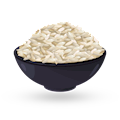


Nasi jagung
(Corn Rice)
Nasi jagung, meaning “corn rice” in Indonesian, is a traditional dish rooted in the agrarian heartlands of East Java, Madura, and parts of Bali, where it evolved out of necessity and now endures as a symbol of culinary resilience and heritage.
At its core, nasi jagung is made by steaming coarsely ground or dried kernels of corn, often blended with rice, though in more traditional versions, corn serves as the main or sole grain. The resulting dish has a light, fluffy texture, with a slight chew and a natural sweetness that distinguishes it from plain rice.
Historically, nasi jagung was a response to economic hardship and agricultural limitations. In many parts of rural Indonesia, especially during colonial times and periods of rice scarcity, corn was a more reliable crop than rice, cheaper and easier to cultivate on dry land. Read more
Villagers and farmers began preparing corn as a rice substitute, steaming it over wood fires in woven bamboo baskets. Over generations, what began as a meal of necessity transformed into a culturally cherished food with deep regional pride. Today, nasi jagung is not just a nostalgic rural dish but a living tradition, often served with a variety of local side dishes that reflect the richness of Javanese home cooking.
It is commonly paired with urap—a medley of steamed vegetables dressed in spiced grated coconut—alongside fried tempeh, salted fish, tofu, and generous helpings of sambal, the fiery chili paste that balances the corn’s sweetness.
In some versions, the plate is rounded out with serundeng, a mixture of sautéed grated coconut and spices, or roasted peanuts for added texture. In traditional markets and rural food stalls, it remains a beloved everyday meal, and during ceremonies or village festivals, it is often served as a gesture of community and remembrance.